Tag: Zambezi River

  • The Story of the Zambezi River

    The Story of the Zambezi River

    From source to smoke…

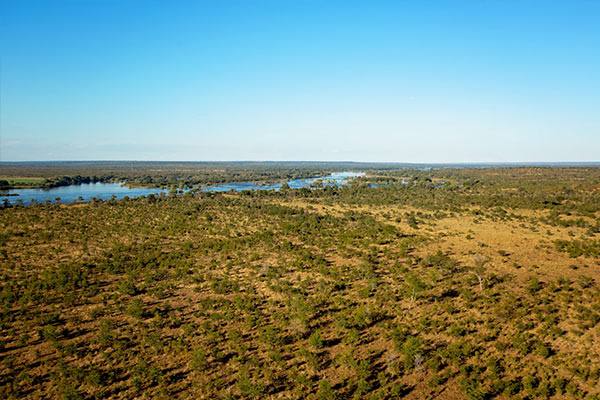
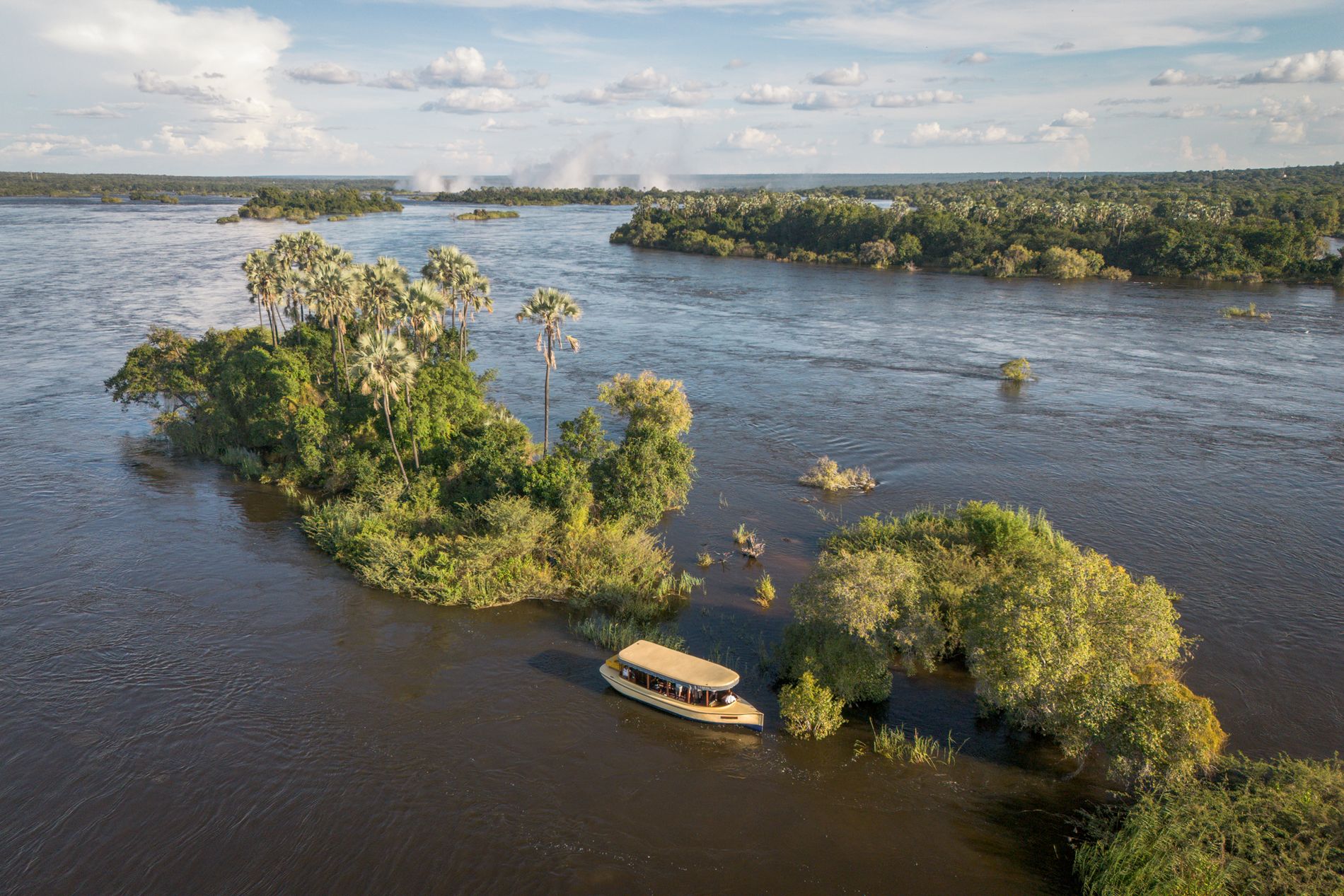
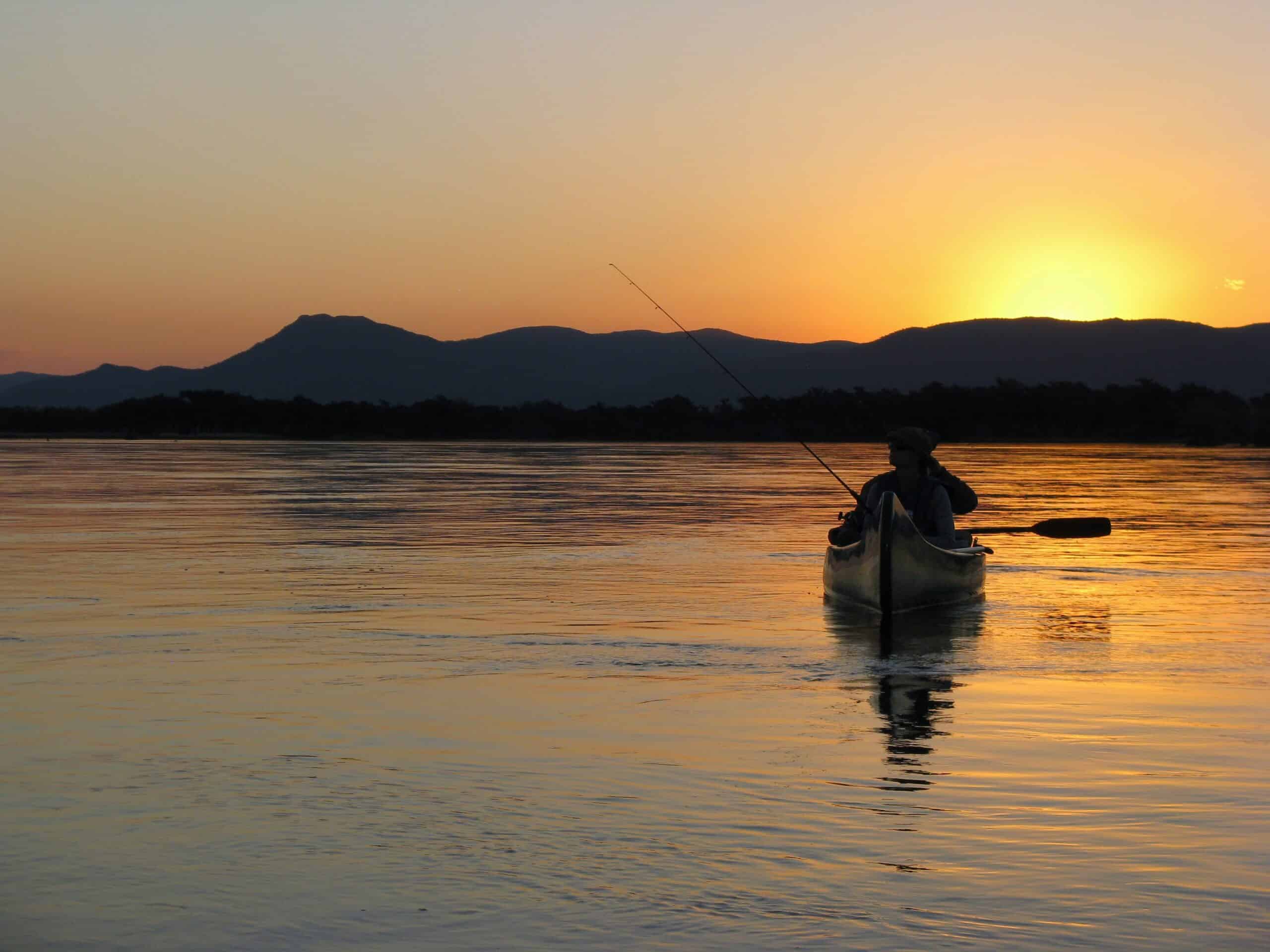
    There is a waterway that winds through southern Africa: Ancient, constant, alive. It rises quietly in the wetlands of north-western Zambia, flowing through miombo woodland and grassy plains. Over more than 2500 kilometres, it gathers force, carving a path through six countries (Zambia, Angola, Namibia, Botswana, Zimbabwe, and Mozambique) before plunging, with thunder and mist, into the gorge at Victoria Falls.

    This is the Zambezi River. From source to smoke, it carries more than water. It gives life, shapes cultures, and weaves stories passed from one generation to the next.

    Below, we share some of the river’s story; one that will form an integral part of your stay at Ilala Lodge Hotel.
    The Very Beginning

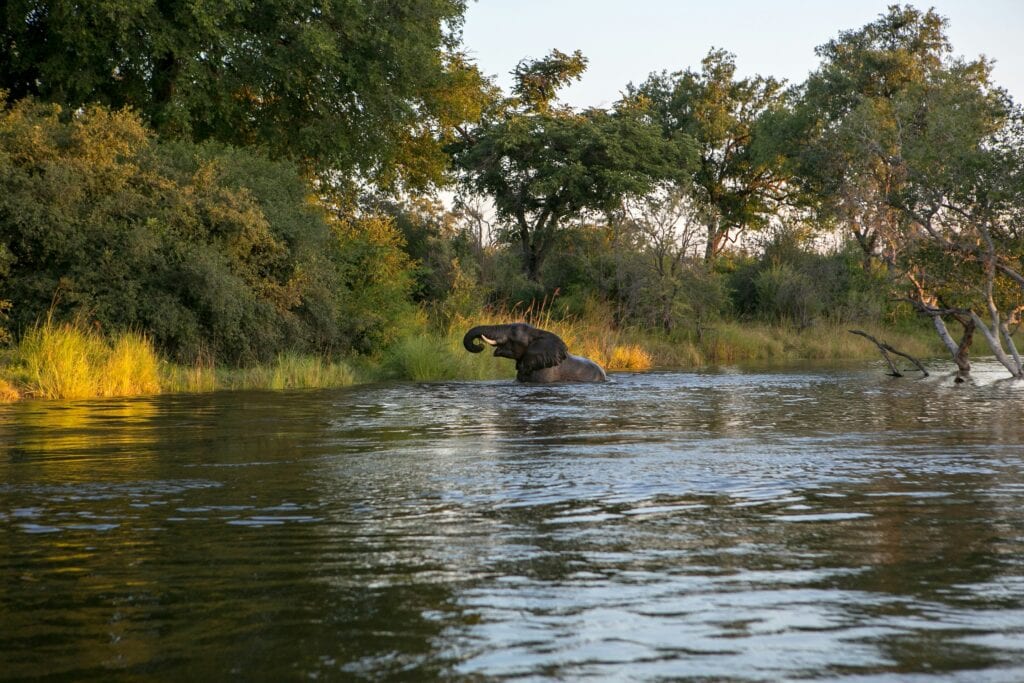
    When standing before the majesty of Victoria Falls, it’s striking to consider the Zambezi’s humble origin: A marshy spring near Kalene Hill, close to Zambia’s border with Angola.

    This peaceful source is considered sacred by local communities, the beginning of something mighty. It’s almost impossible to imagine, from these still headwaters, the drama and grandeur to come!

    As it journeys south and east, the river changes shape, name, and meaning. Among the Lozi people of western Zambia, it is called liambai, “the great river.”

    The Swelling River

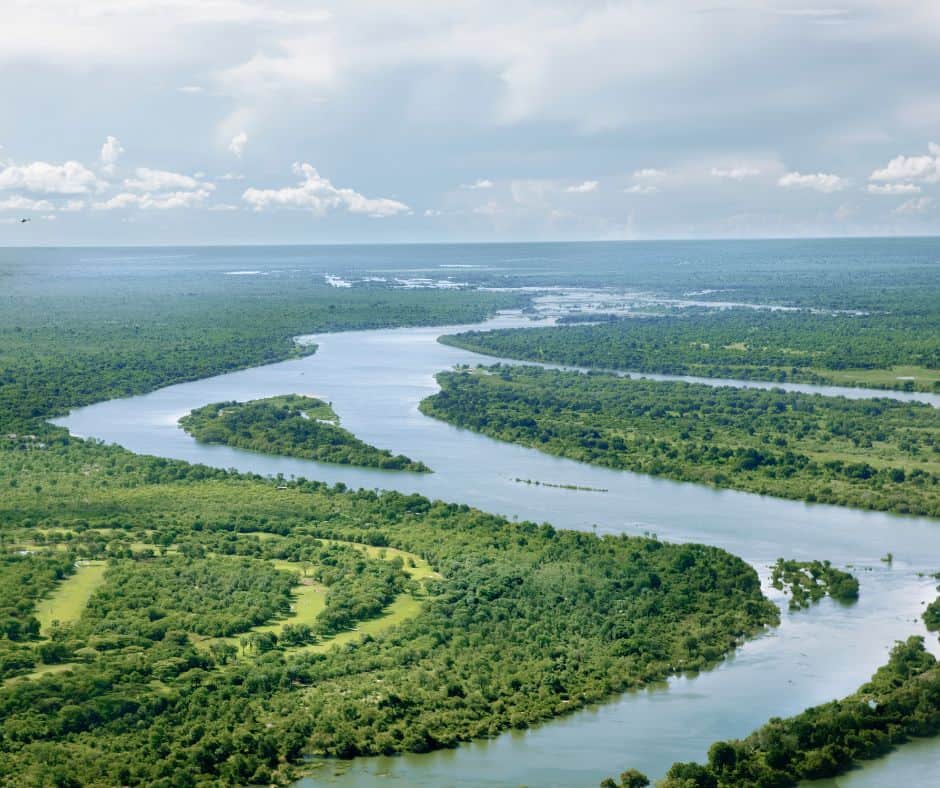
    By the time it reaches western Zambia, the Zambezi expands into the vast Barotse Floodplain, a seasonal inland sea that swells with the rains.

    Here, the river plays a vital role in Lozi traditions, most notably during Kuomboka, a vibrant ceremony marking the Litunga’s (king’s) annual move from lowland Lealui to the higher ground of Limulunga. The royal barge journey, accompanied by music and fanfare, reflects both the rhythm of the river and how it shapes the lives of those who reside on its banks.
    The Grand Descent

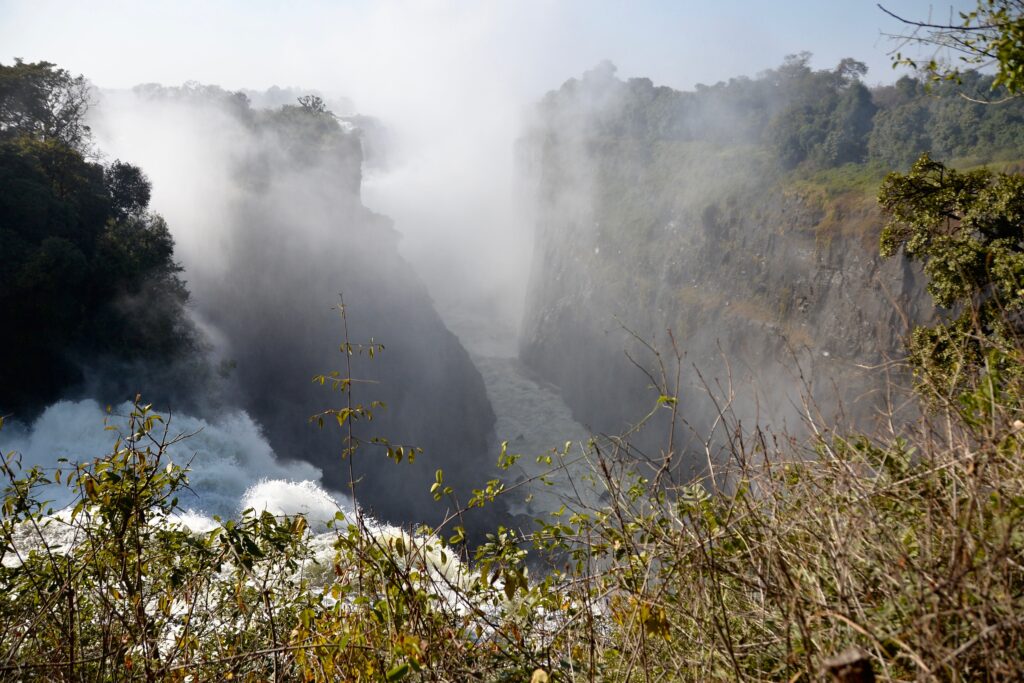
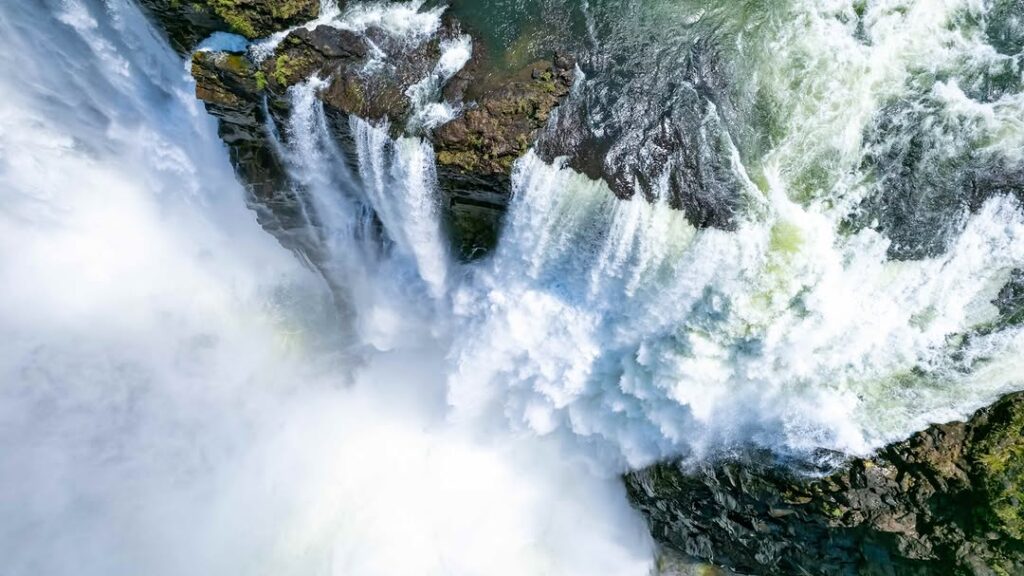
    Near the border of Zimbabwe and Zambia, the river narrows between basalt cliffs and plunges more than 100 metres into a deep chasm at Victoria Falls…

    Victoria Falls, Mosi-oa-Tunya, “the smoke that thunders”, is not just a waterfall, but a full-sensory experience.

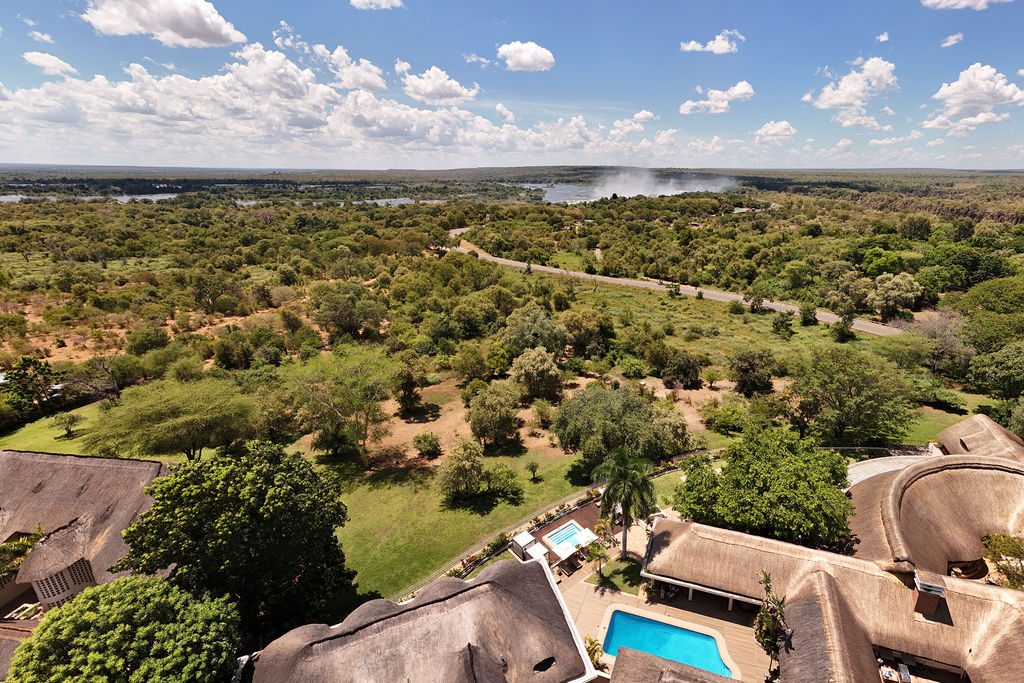
    The roar can often be heard from Ilala Lodge Hotel, though never intrusively. A constant mist rises from the gorge, nourishing the lush rainforest opposite, which guests can explore via the scenic Cliff Path.

    In many ways, the Falls marks a shift in the Zambezi’s journey. We think of the river now as, ‘upstream from the Falls’ and  ‘downstream from the Falls’.
    After the Falls

    For many visitors to Ilala Lodge Hotel, Victoria Falls is their first encounter with the Zambezi, but the river’s story continues long after this great descent.

    Beyond the Falls, the Zambezi snakes through a twisting gorge system more than 100 km long. These churning rapids draw thrill-seekers from around the world for white-water rafting and river adventures.

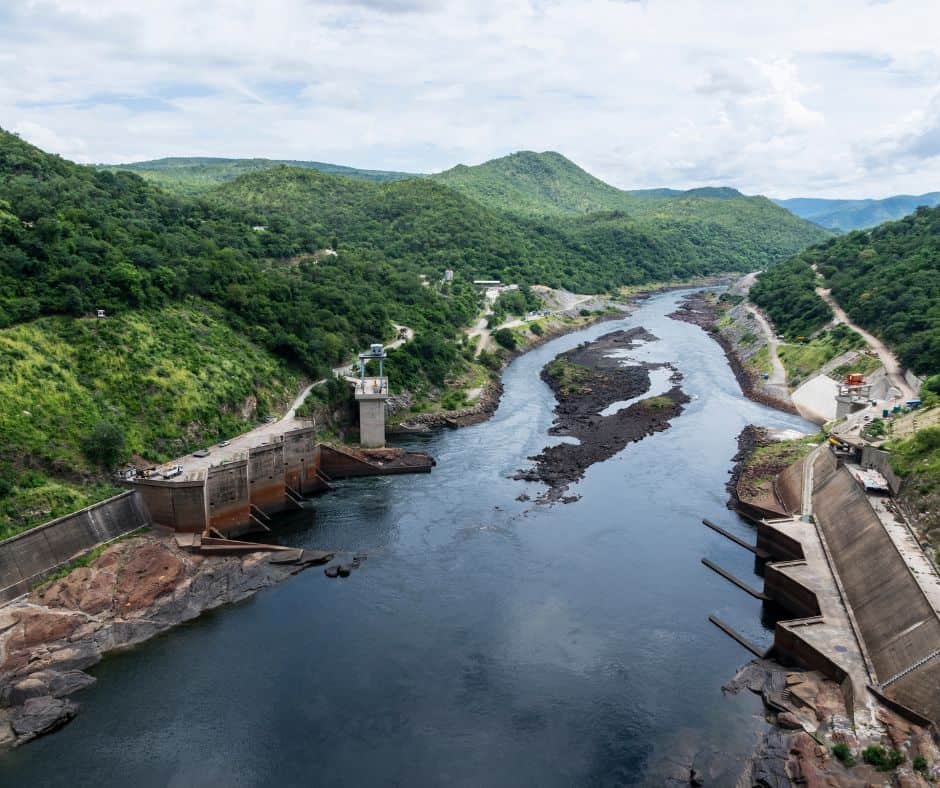
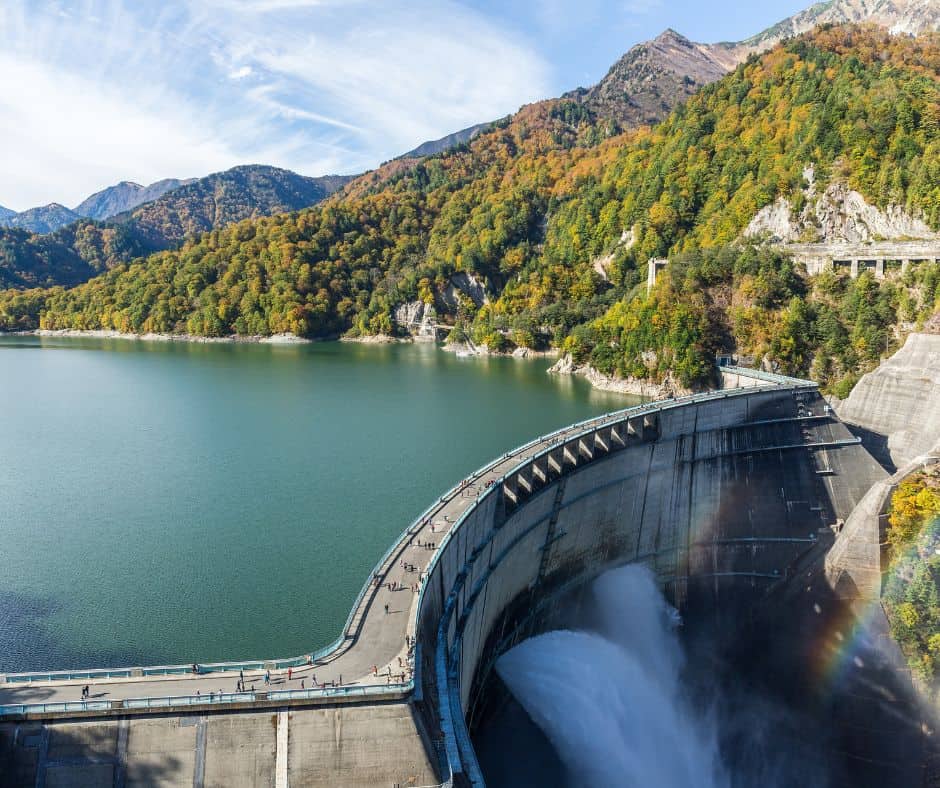
    Further downstream lies Lake Kariba, one of the world’s largest man-made reservoirs. Its construction in the 1950s displaced thousands and gave fuel to the existing legend of Nyami Nyami, the river god. Many believe the dam enraged him by dividing his watery kingdom and separating him from his wife.

    Past Kariba, the river flows through Mana Pools National Park, a UNESCO World Heritage Site in Zimbabwe, famed for its wildlife. Finally, the Zambezi reaches Mozambique, fanning into a broad delta before merging quietly with the Indian Ocean at Chinde: A serene ending to an epic journey.
    Stay With Us

    Ilala Lodge Hotel offers more than a luxurious stay, it’s your front-row seat to the Zambezi’s greatest crescendo.

    Watch the spray rise from your balcony, listen for the distant thunder, and feel the river’s presence in the air. Just beyond your window, the Zambezi continues its timeless path to the ocean.

    To book your stay, visit our website or contact us directly at reservations@ilalalodge.co.zw.

    We’d be delighted to help craft your unforgettable journey to Victoria Falls.
     

  • What’s In A Name

    What’s In A Name

    If you are researching visiting the magnificent Victoria Falls – and we do hope you are – you may come across many names that you may be unfamiliar with. Read on to discover the rich history and imagery behind them here:


    Victoria Falls

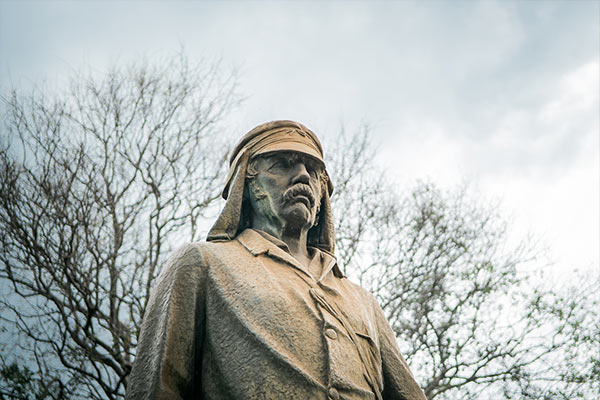
    The Victoria Falls waterfall was discovered by Dr .David Livingstone in November 1855, and as he was British, he named it after his Queen, Victoria.

    David Livingstone Victoria Falls David Livingstone

    Mosi-oa-Tunya

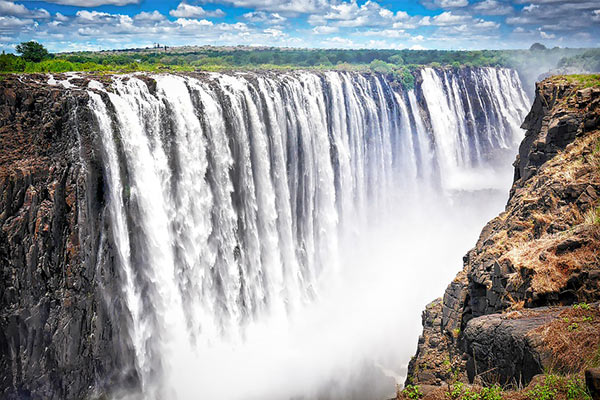
    This is the local name for the Victoria Falls in the Tonga language – it is translated as “the smoke that thunders”.

    Victoria Falls The Smoke That ThundersVictoria Falls, one of the seven wonders of the world
    Chongwe/Seongo

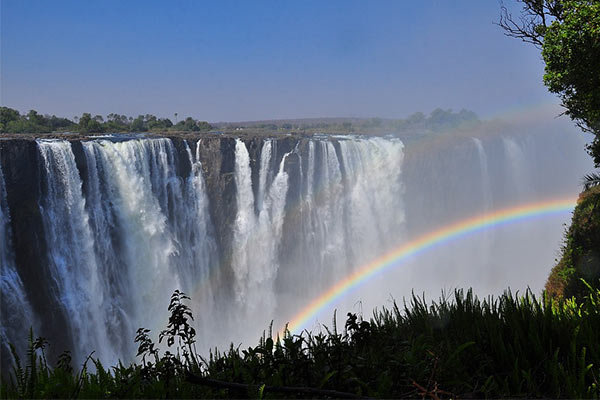
    This name has been cited in historical records as also used for the Victoria Falls and means “The Place of the Rainbow”.

    Rainbow on Victoria FallsRainbow over the Victoria Falls

    Devil’s Cataract

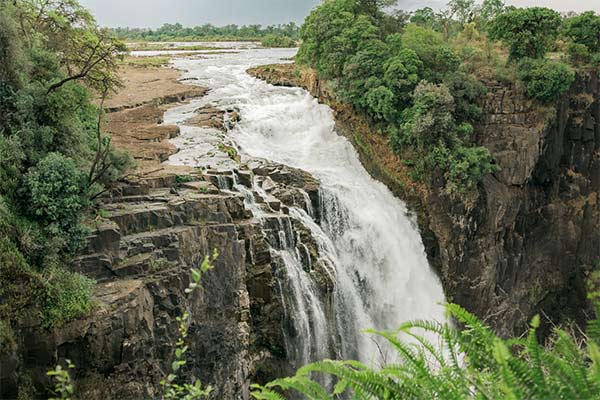
    The Devil’s cataract is the first and lowest of the five Falls. It is named after the island next to it, which is called Cataract Island or Baoruka Island. Baoruka is the Tonga word for “divider of waters”. There is also speculation that the when the falls were originally discovered, the missionaries saw the local tribes performing rituals on the island and called them “devilish”.

    The Devil’s Cataract, located on the westerly section of Victoria Falls
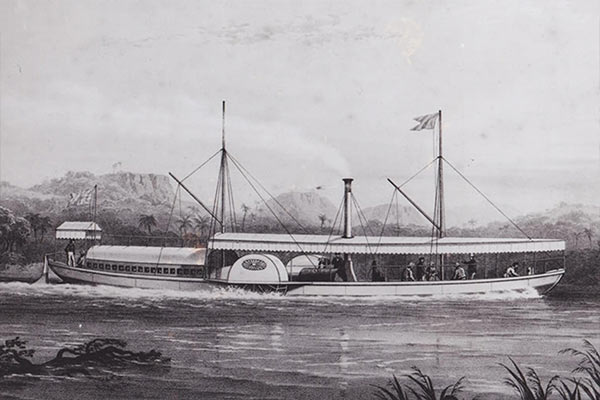
    Ra-Ikane River Cruises

    Fashioned after David Livingstone’s exploration boat, the Ma-Robert, the Ra-Ikane boats are named after the instrumental guide, Lazarus Ra-Ikane, who accompanied and assisted Livingstone in his monumental discovery of the natural wonder, Victoria Falls.

    Ra-Ikane RIver Boat HistoryA historical boat from David Livingstone’s time
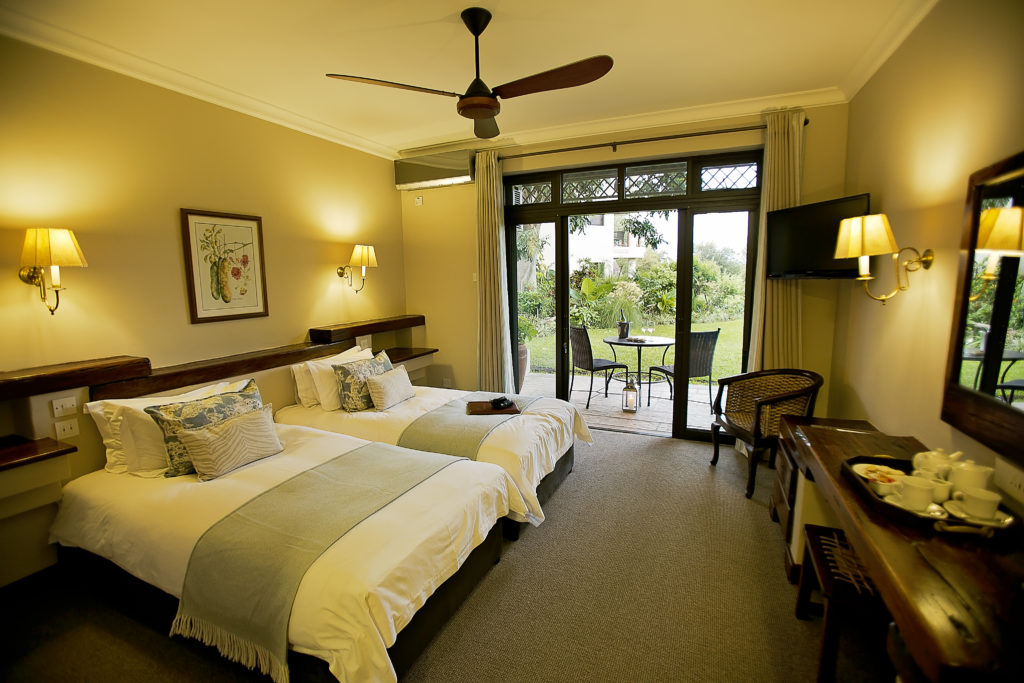
    Ilala Lodge Hotel

    ‘Ilala’ is also the Ndebele word for ‘lie down’. Read more about the history of Ilala Lodge Hotel here.

    Twin room at Ilala Lodge Hotel

    Zambezi River

    The Zambezi (meaning “Great River” in the language of the Tonga people).  In 1498 Vasco da Gama became the first European to see the Zambezi River. He called the Zambezi the “River of Good Omens” (Rio dos Bons Sinais).

    Zambezi River Victoria FallsZambezi River view from Ilala Lodge Hotel
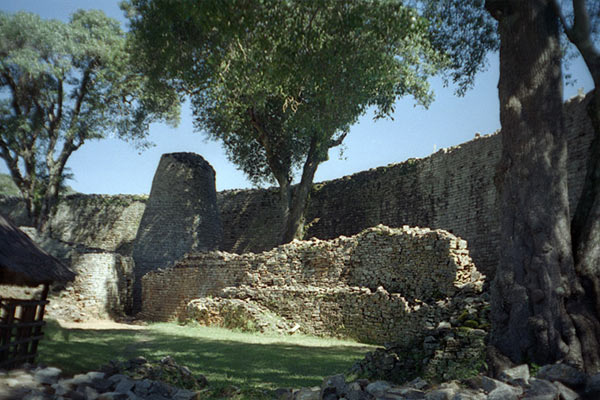
    Zimbabwe

    The name “Zimbabwe”, broken down to Dzimba dzamabwe in Shona (one of the two major languages in the country), means “houses of stone”.

    Great Zimbabwe / Dzimba DzemabweThe Great Zimbabwe Ruins

  • 10 Things You Didn’t Know About The Zambezi River

    10 Things You Didn’t Know About The Zambezi River

    One of the most fascinating rivers in Africa, the Zambezi is not only a major tourist attraction, but a lifeline and constant source of income for millions. (more…)

  • The Best Time to Visit Victoria Falls

    The Best Time to Visit Victoria Falls

    One of the most important things to consider when planning a trip to Zimbabwe’s tourism capital is the best time of year to do so. (more…)

  • The God of the Zambezi River

    The God of the Zambezi River

    Folklore is an integral part of African culture, having been passed down through many generations.  Even today, most Africans retain a sense of superstition and awareness of their original traditions and customs.

    Similar to the well-known Aesop’s Tales and other fables of our youth, stories and folklore often have a moral or survival element to the tale with animals as the main characters. One of the most well-known creatures of the Zimbabwean mythological landscape is Nyami Nyami, the God of the Zambezi River.

    This serpent-like creature is said to reside under a rock in Lake Kariba and is thought to be about three metres long, although it is taboo to speculate about this. Wooden representations of this deity are usually to be found on sale close to the hotels in Victoria Falls, at the Falls themselves, and all along the roadside nearby.

    Tribesmen who have ventured close to the resting place of the River God have found themselves sucked down into the surrounding whirlpools, never to be seen again. This site is known as Kariwa, ‘the trap’, and lends its name to Kariba Dam. The locals believed that the building of Kariba Dam would anger Nyami Nyami, but the contractors put this down to superstition and work pressed on regardless, although it was fraught with difficulty.

    Tentative survey work on the dam began in the late 1940’s but a few months in, a cyclone from the Indian Ocean swept over this landlocked country, with 15 inches of rain falling in a few hours, killing all of the surveyors in a landslide.  The river rose seven metres overnight, sweeping animals and villagers away in its wake, and totally disrupting the peaceful valley.

    In 1955, work began again in earnest, only to be halted by an unexpected flood which washed away the foundations of the coffer dam and bridge.
    Again in November 1956, heavy rains caused another flash flood, which swept away machinery and men in its path, seriously hampering work on the dam.
    In 1958 yet another flood raced down the river, with 16 million litres of water surging over the suspension bridge every second, destroying the north tower and buckling the bridge.

    Eventually Nyami Nyami’s perceived efforts to stop construction ceased and the dam was completed at the cost of 80 lives. Up until today, earth tremors are occasionally felt in and around Kariba which the locals see as an indication of Nyami Nyami’s ongoing wrath.